
People spend a lot of time choosing how a surface looks. The color, the finish, how it sits in the space. What gets less attention is how that surface holds up in year five or year ten, and what it actually takes to keep it looking right.
Porcelain ceramic and quartz are both serious, long-lasting materials. Both work well in the right place and with the right care. Understanding what each one is, where it belongs, and how to maintain it makes the difference between a surface that ages well and one that causes problems down the line.
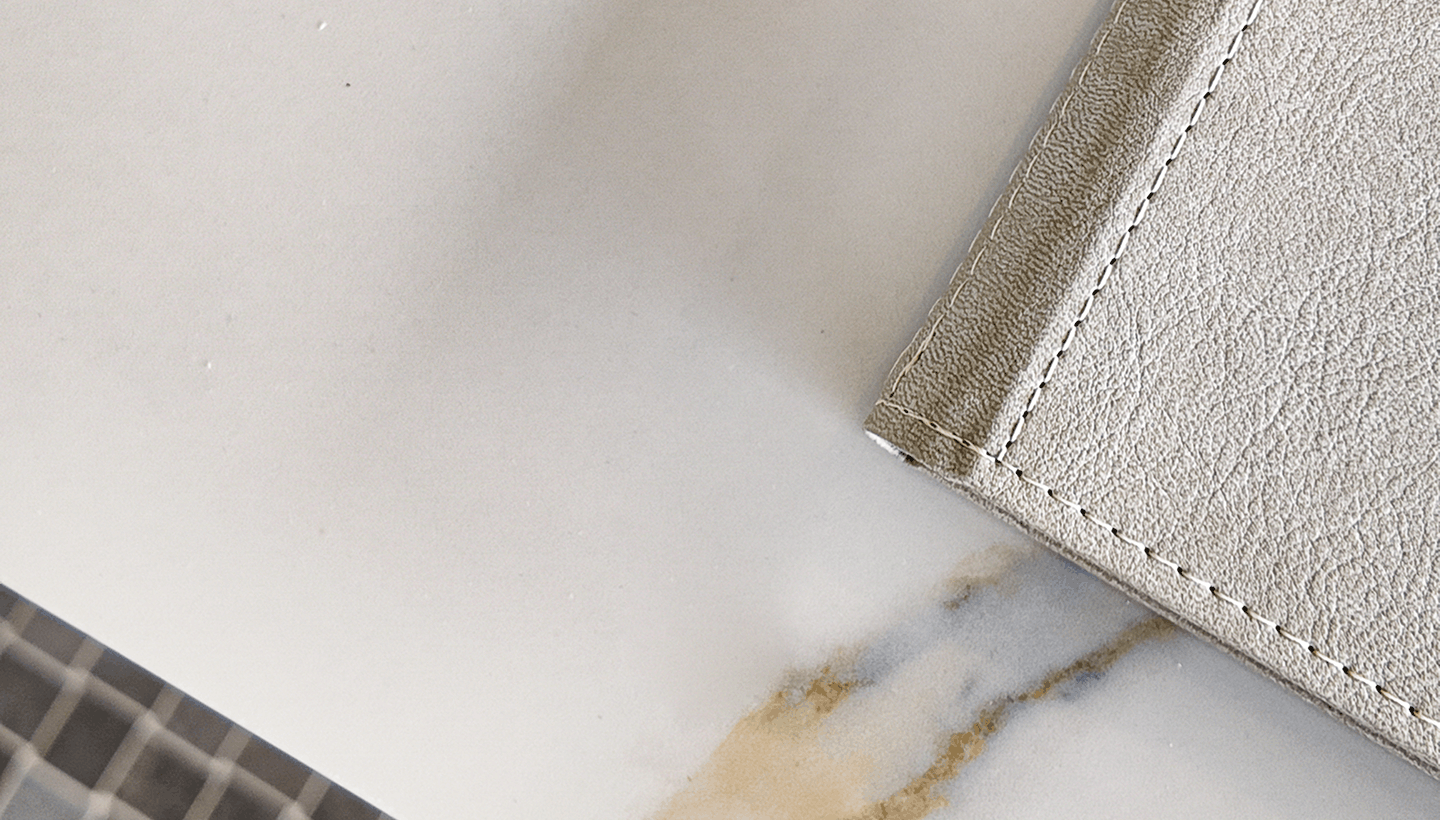
Porcelain is made from refined clay fired at very high temperatures. That process creates an extremely dense, hard surface with water absorption below 0.5%. In practical terms, the surface is effectively waterproof. It resists staining, mold, and bacteria without any sealing, and holds its color and finish both indoors and outdoors thanks to its UV stability.
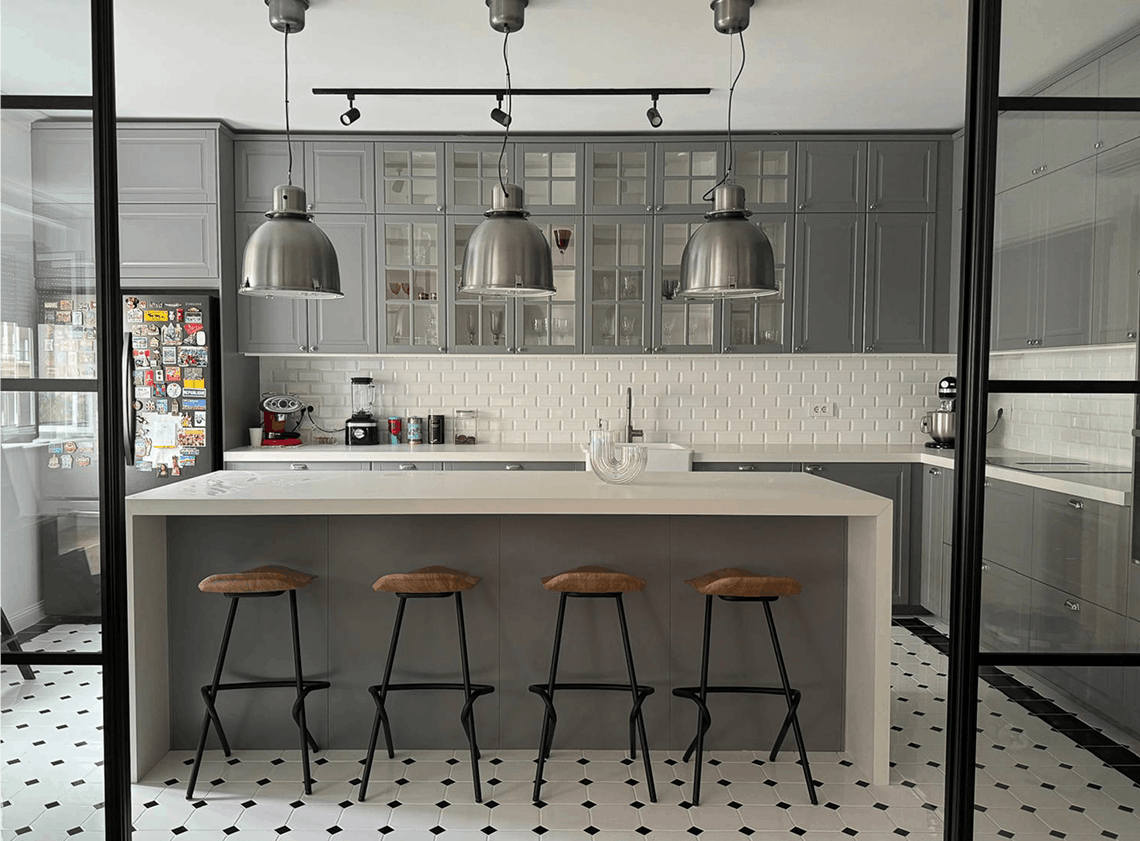
With correct installation, porcelain lasts 30 to 50 years even in demanding environments. It works across kitchen countertops, bathroom vanities, wall surfaces, fireplace surrounds, outdoor terraces, and high-traffic commercial and hospitality spaces.
Warm water and a mild pH-neutral soap applied with a soft cloth cover daily cleaning. Wipe spills as they happen rather than letting them sit.
A few habits worth building:
Use a cutting board. Porcelain resists scratches well, but regular direct cutting will wear the surface over time. For sustained heat sources like slow cookers or electric skillets sitting in one spot, place a trivet underneath. Porcelain handles heat well, but concentrated heat in one area over a long period creates thermal stress. For grout lines between tiles, occasional cleaning with a soft brush and mild grout cleaner keeps them in good condition.
Products to avoid: abrasive sponges and scouring pads on polished surfaces, and any cleaner with high or low pH, ammonia, or bleach. Neutral is the rule across the board. Sealing is never required.
The edge is the most vulnerable point. A sharp direct impact can chip porcelain. This is a handling consideration during both installation and everyday use.
Quartz is an engineered stone made from around 90% natural quartz crystals bound with resins, polymers, and pigments. The result is a non-porous, consistent surface with a wide range of colors and finishes available. For the right indoor applications, it performs well and looks good for a long time.
The resin content defines where quartz works and where it runs into trouble. Heat above around 150°C can damage the resin binders, causing discoloration or cracking. Prolonged UV exposure causes the material to fade and yellow over time. These are characteristics of the material, worth understanding before specifying or purchasing.
Quartz belongs in indoor countertops, bathroom vanities, and interior surfaces away from direct heat and strong sunlight. In those conditions it is durable, consistent, and easy to maintain.
Warm water, a few drops of mild dish soap, and a soft cloth handle daily cleaning. Wipe, rinse, dry. That covers most of what a quartz surface will ever need.
A few things that matter more with quartz:
Always use a trivet between hot pots, pans, or heat-generating appliances and the surface. Direct heat damages the resin binders permanently. Wipe spills promptly, especially wine, coffee, tea, and anything with strong pigment. Quartz is stain resistant, and prompt cleaning keeps it that way.
Products to avoid: bleach, ammonia, drain cleaners, oven cleaners, acidic cleaners, and anything with a very high or very low pH. These break down the resin gradually. Abrasive pads and steel wool scratch and dull the surface finish over time. Sealing is also not required and actually causes problems. Quartz is non-porous and sealers cannot penetrate the surface. Applying one leads to uneven wear and inconsistent appearance as it breaks down.
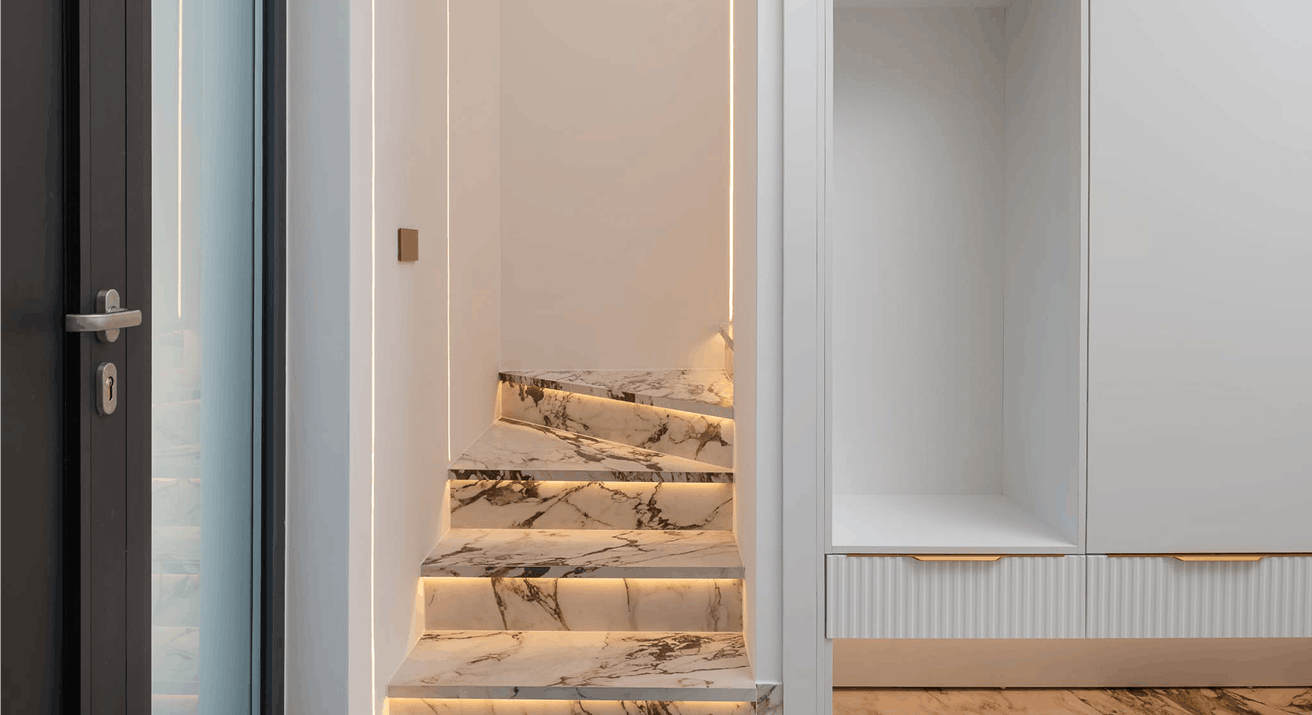
Porcelain covers almost every application: kitchens, bathrooms, fireplaces, wall cladding, outdoor surfaces, and commercial environments.
Quartz works well indoors, away from direct sustained heat and prolonged sunlight. It is a strong choice for bathroom vanities, interior wall features, and kitchen countertops where heat exposure is managed.
The practical difference between the two comes down to conditions. Outdoor use, spaces with direct sun, and surfaces near heat sources call for porcelain. Controlled interior environments are where quartz performs at its best.
Most surface issues come from one of two things. The material was used in the wrong application, or it was cleaned with the wrong products over time.
Quartz specified for an outdoor space will fade within a few years. A quartz countertop placed next to a hob without heat protection will discolor. The material behaved as it should. The specification or the habit around it did not account for the actual conditions.
The same logic applies to cleaning. Using harsh or incorrect products consistently on either material is the most common cause of gradual surface deterioration. Both porcelain and quartz are genuinely low maintenance when used correctly and in the right place.
A surface installed today will still be in that space in 20 years. Choosing the right material for the actual conditions of the space, and maintaining it correctly, determines what it looks like when it gets there.
Laterart works with porcelain ceramic and quartz across kitchen, bathroom, and architectural projects. If you are working on a project and want to discuss which material fits your application, get in touch.